

Identification
Carbonate de calcium · CaCO₃ · polymorphe orthorhombique de la calcite — même formule, structure cristalline différente
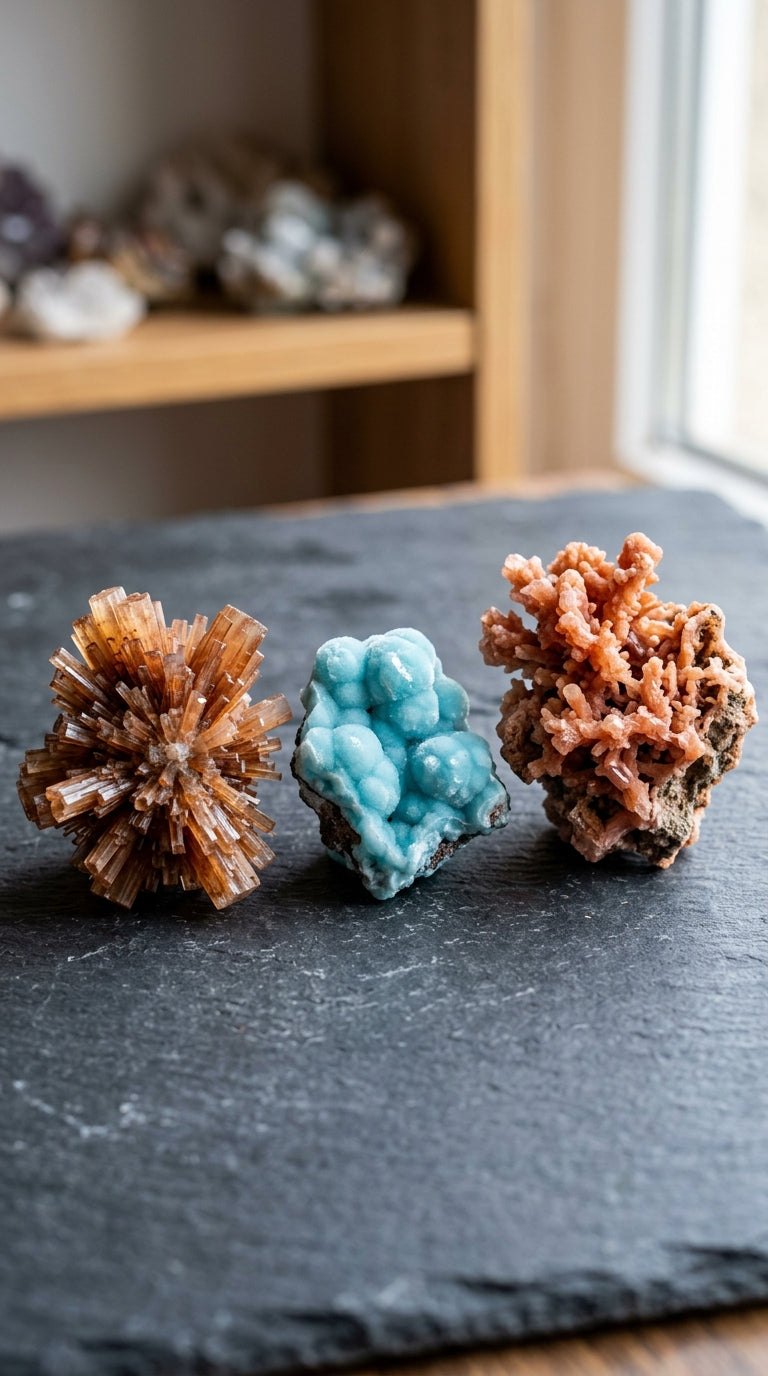
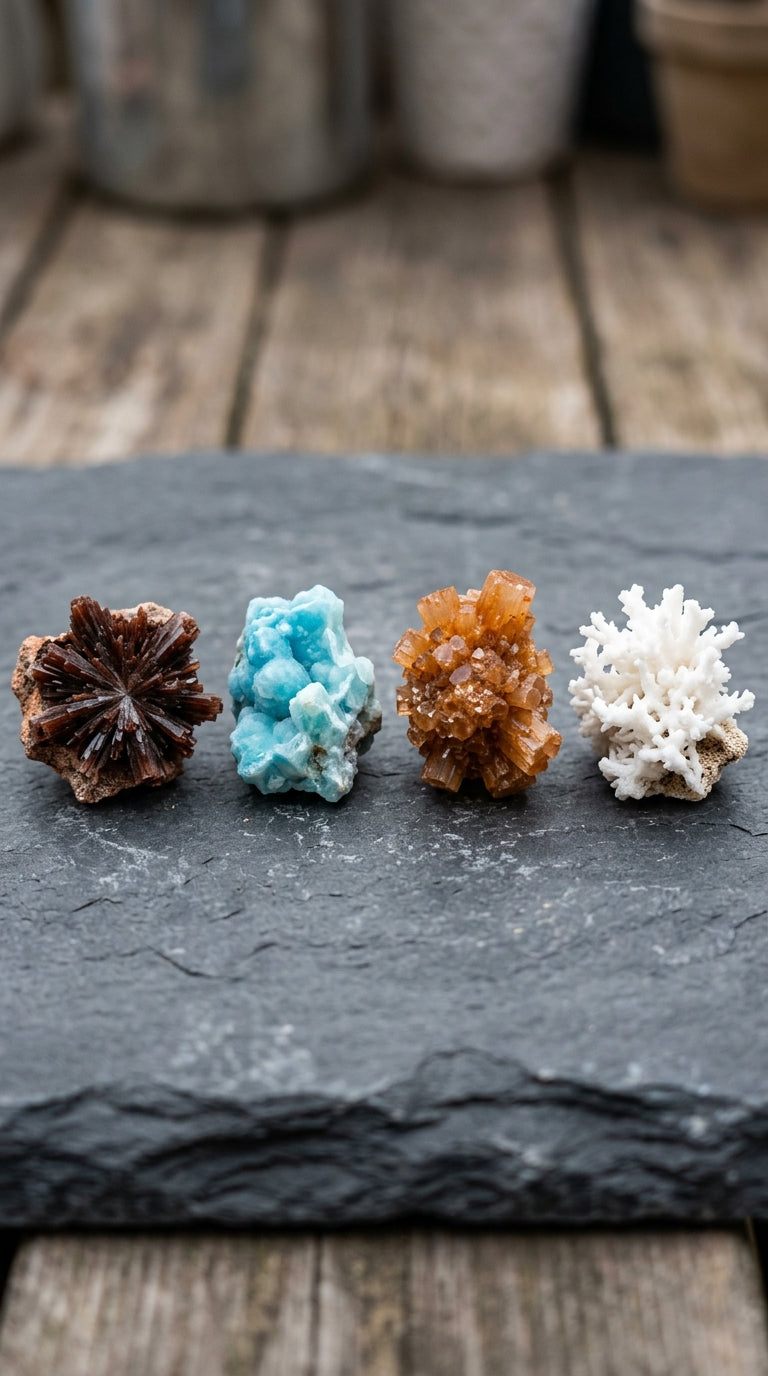
Blanc, brun, orange, bleu, vert, rose, violet, incolore — grande variété selon les impuretés et le gisement
3,5 à 4 / 10 sur l'échelle de Mohs — pierre tendre, sensible aux acides et aux chocs
2,93 à 2,95 — légèrement plus dense que la calcite (2,71)
Racine (1er) · Sacré (2e) · Plexus solaire (3e) — tous les chakras selon la couleur
Espagne (Aragon — référence) · Maroc · Mexique · États-Unis · Namibie · Pakistan
Capricorne · Taureau · Cancer
De la région d'Aragon (Espagne) où ses beaux cristaux furent décrits et nommés en 1797 par Abraham Werner
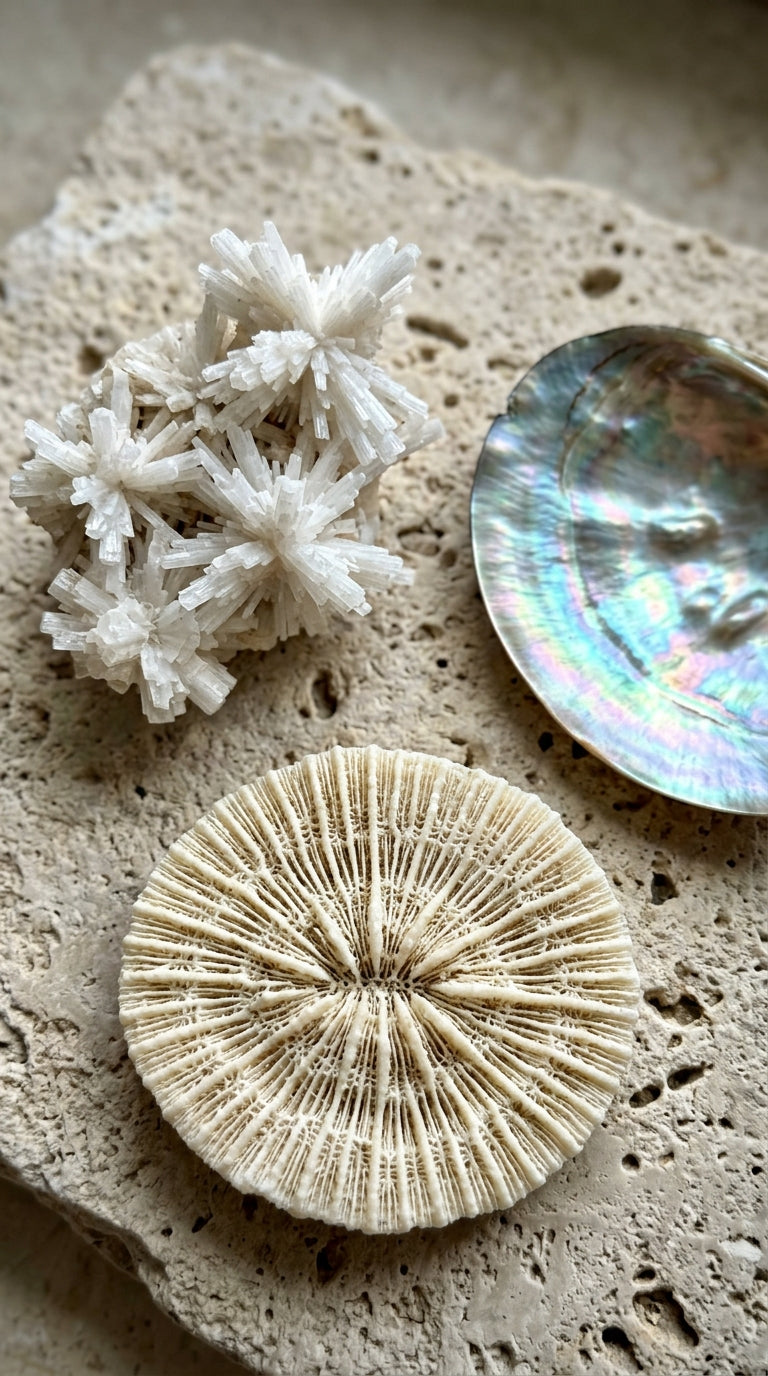
Composant principal des perles, de la nacre et des coquilles de mollusques — l'aragonite est la forme préférée du vivant
Offrande pour les transitions de vie et les ancrages dans un nouveau foyer
History & Myths
Mineralogy
Lithotherapy
Matches
Daily use
Interview


Monetization
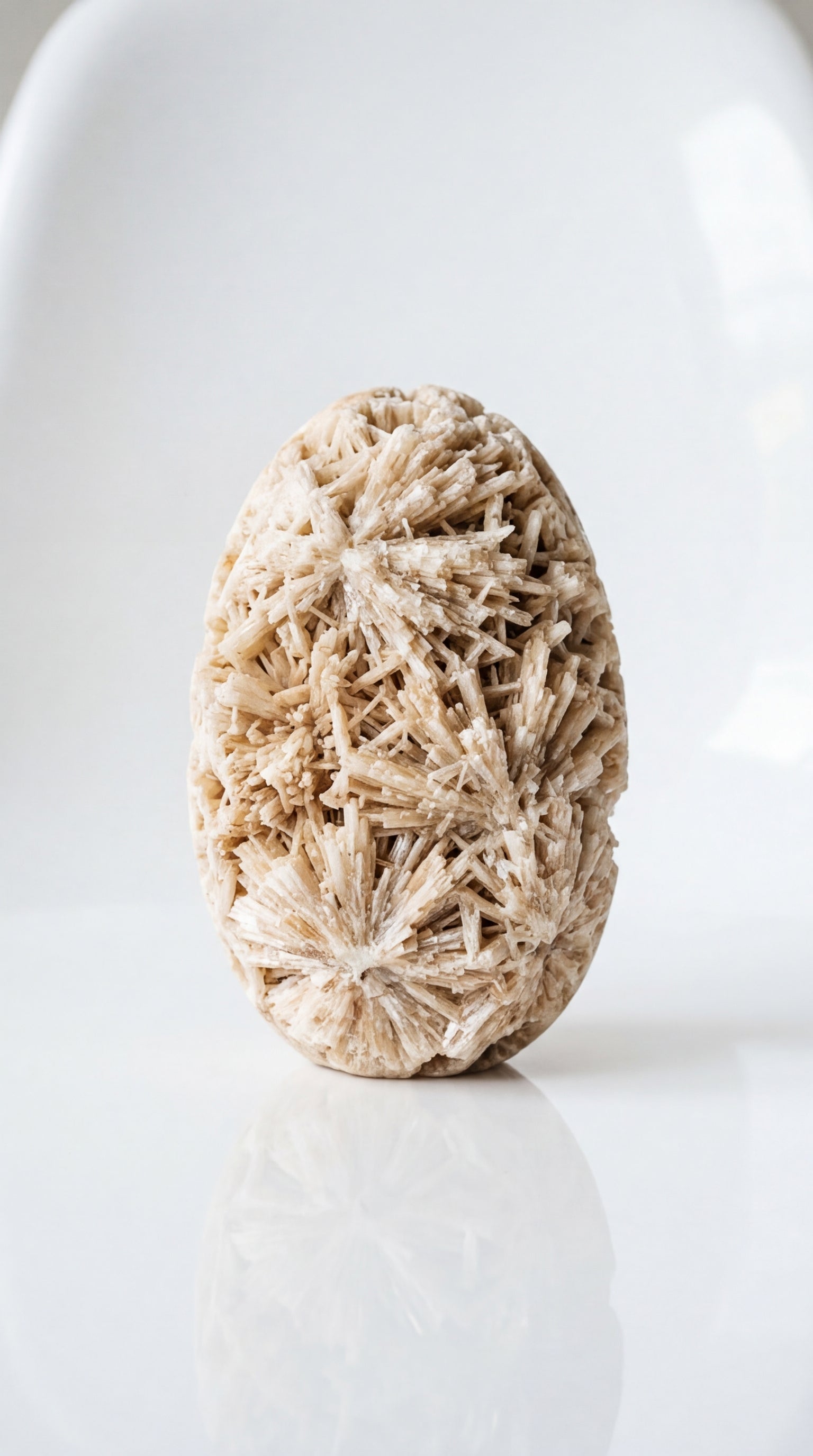
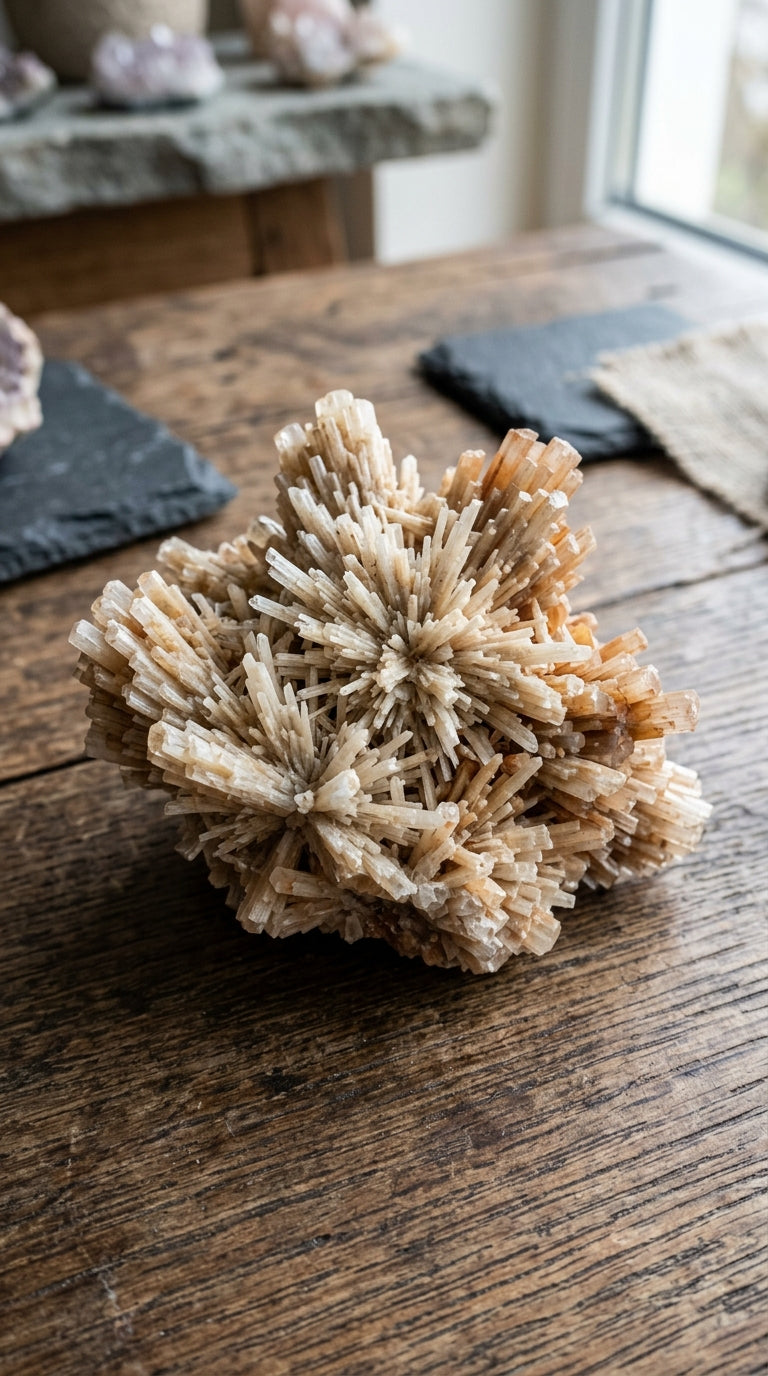
| Aragonite étoile courante | Brun-beige, petite à moyenne taille, Maroc |
5 € – 20 € |
| Aragonite orange / rose | Couleur vive, bonne taille, Mexique ou Pakistan |
10 € – 40 € |
| Aragonite bleue (AA) | Bleu translucide, cristaux nets, Espagne ou Maroc |
20 € – 80 € |
| Flos ferri / cristaux AAA | Concrétions coralloïdes ou cristaux transparents exceptionnels |
50 € – 300 €+ |
30 products


Our team of enthusiasts will respond within 24 hours · Free personalized advice
⚠️ Reminder: The meanings and virtues attributed to stones come from lithotherapy traditions and cultural symbolism. They do not constitute medical or psychological advice in any way.
Les vertus décrites relèvent de la tradition de la lithothérapie et ne constituent ni un avis médical ni un conseil de santé. En cas de problème de santé, consultez un professionnel.


