

925 silver oval blue chalcedony earrings
- Expression
- Femininity
- Soothing
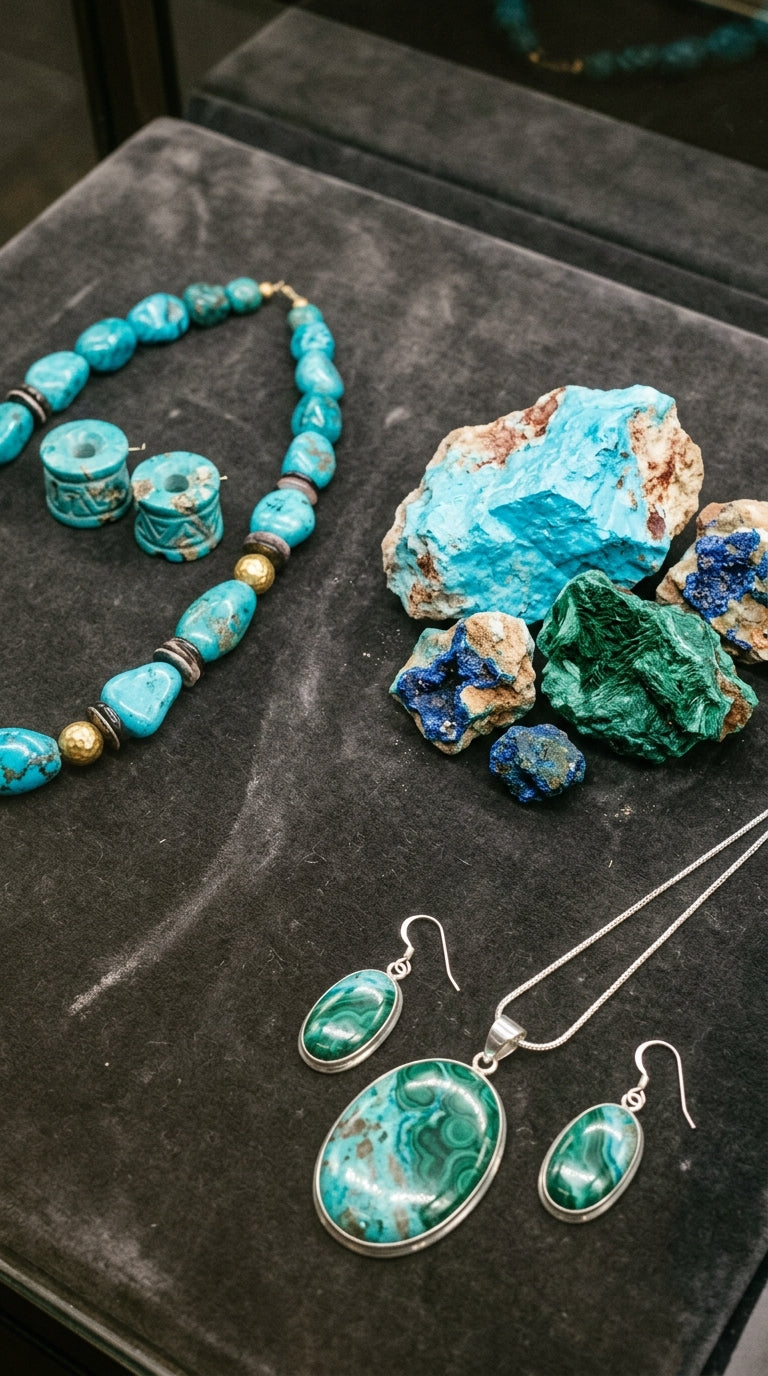
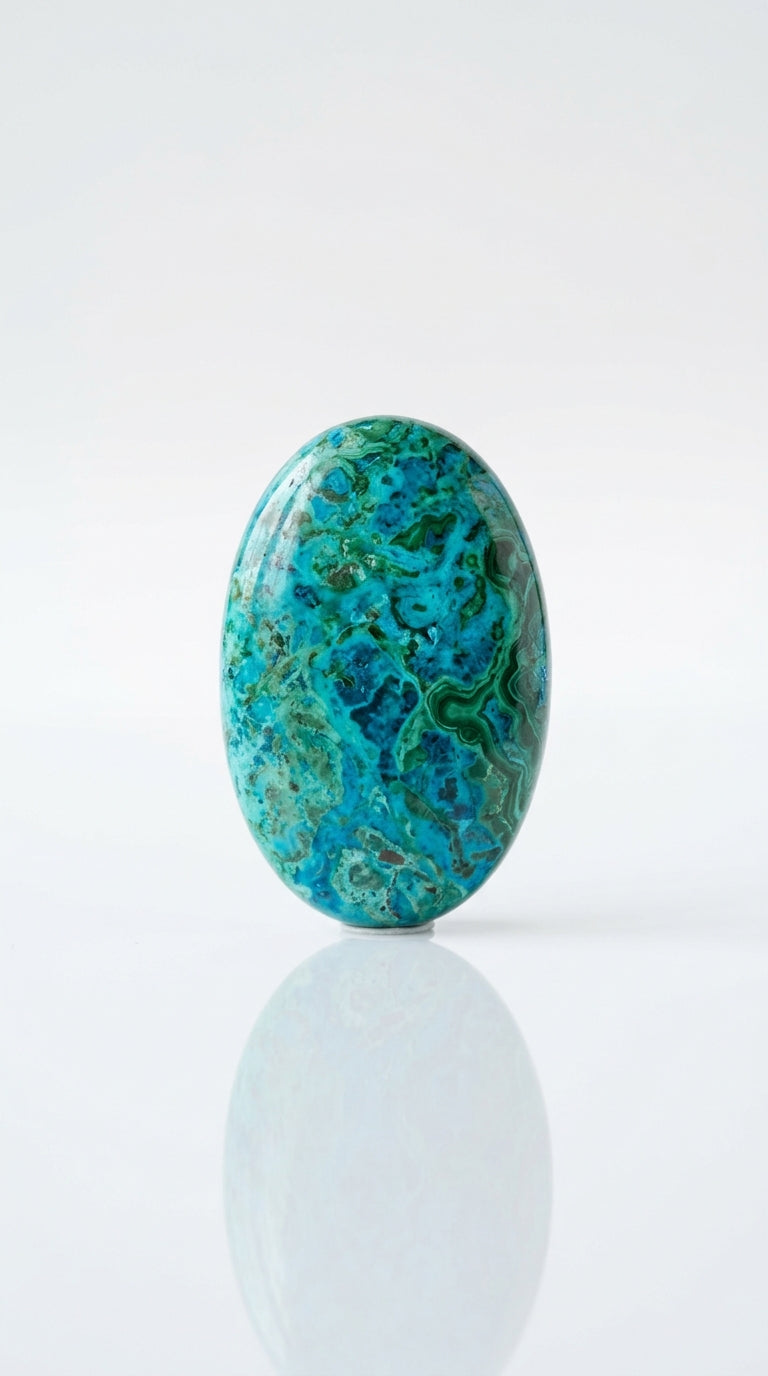
HYDRATED COPPER SILICATE · (CU,AL)₂H₂SI₂O₅(OH)₄·NH₂O · THE WISDOM OF WOMAN AND THE EARTH
Identification
Silicate de cuivre hydraté · (Cu,Al)₂H₂Si₂O₅(OH)₄·nH₂O · minéral secondaire des zones d'altération du cuivre
Bleu-vert vif à turquoise, vert pomme, bleu ciel — couleur due au cuivre, souvent mêlée de malachite, quartz ou turquoise
2 à 4 / 10 selon la teneur en silice — pierre très tendre à tendre, poreuse, fragile
1,93 à 2,40 — légère pour sa taille
Gorge (5e) · Cœur (4e) · Racine (1er) — connexion Terre-cœur-expression
Pérou (référence) · Chili · États-Unis (Arizona) · République démocratique du Congo · Israël · Russie
Gémeaux · Vierge · Taureau · Balance
Du grec chrysos (or) et kolla (colle) — utilisée comme fondant pour souder l'or dans l'Antiquité
Souvent associée naturellement à la malachite, turquoise, azurite et quartz dans les mêmes gisements de cuivre
Contient du cuivre — ne jamais préparer d'élixir, ne pas mettre en bouche
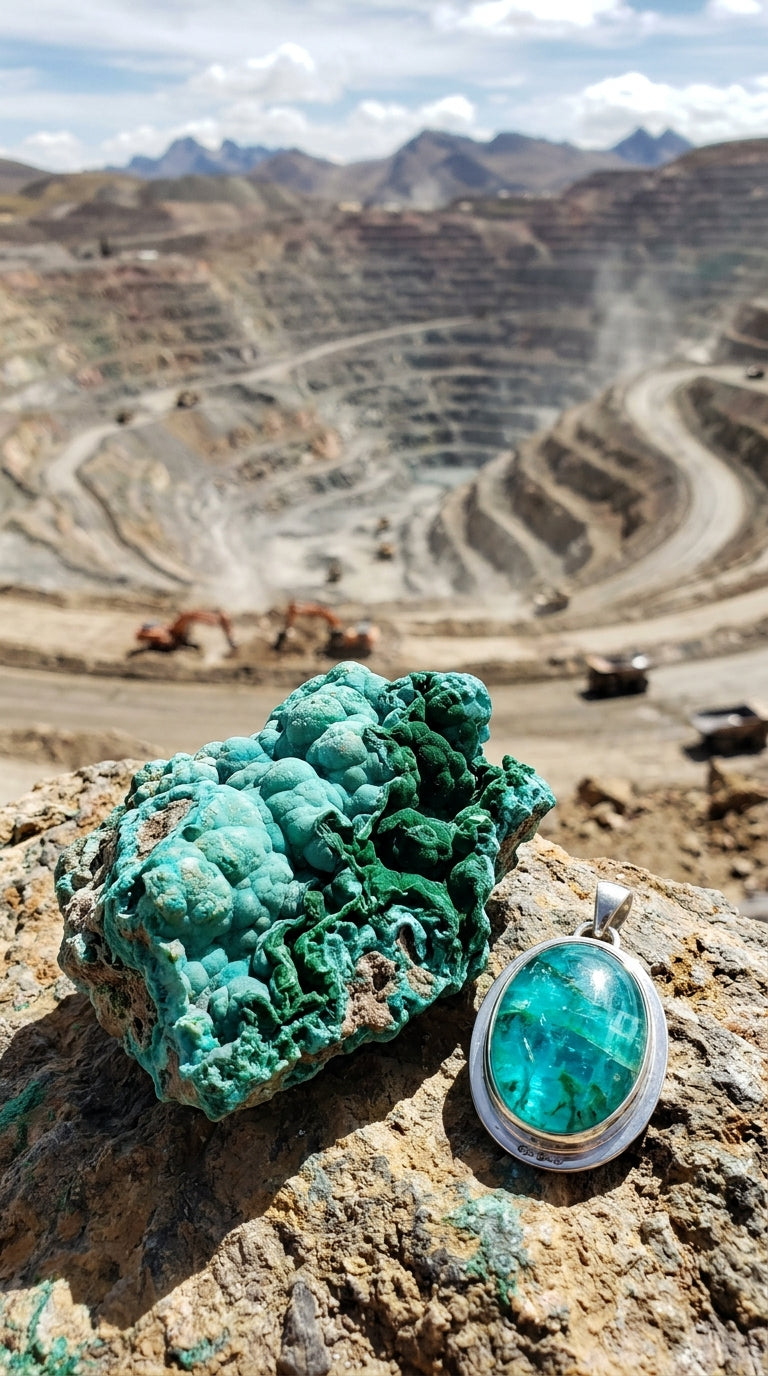
History & Myths
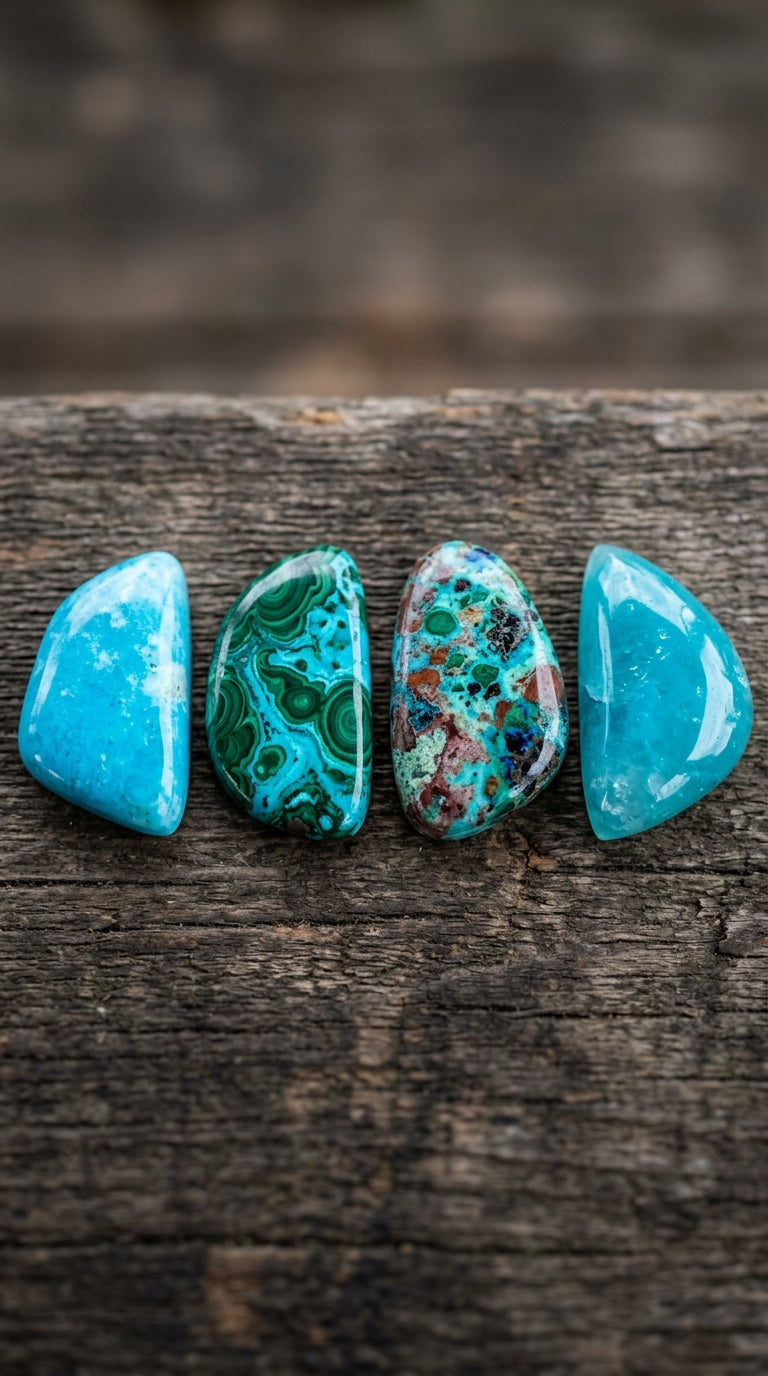
Mineralogy
Lithotherapy
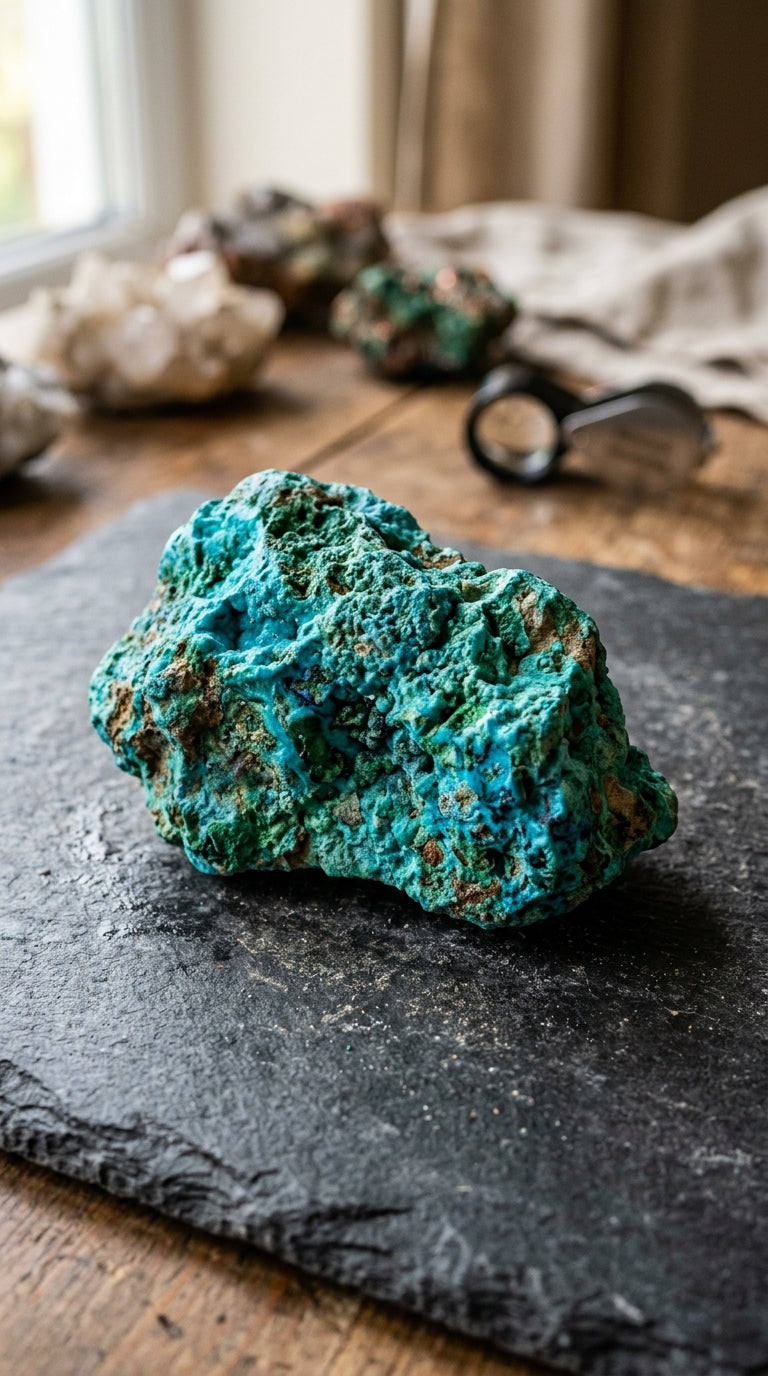
Matches
Daily use
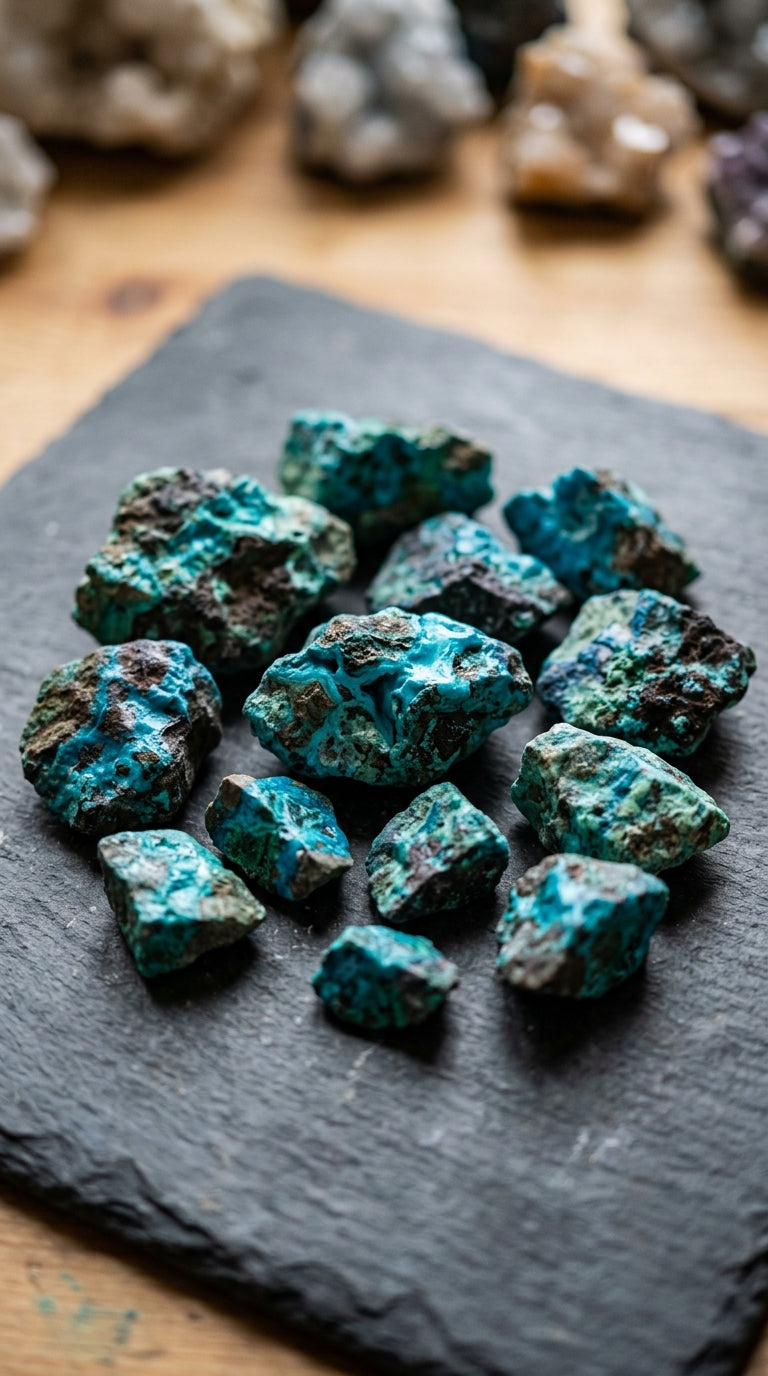
Interview


Monetization
| Chrysocolle courante | Bleu-vert mat, petite taille, poreuse |
4 € – 15 € |
| Chrysocolle siliceuse (A) | Bleu-vert translucide, dure, bijoux |
15 € – 60 € |
| Chrysocolle-malachite (AA) | Motifs naturels bleu-vert spectaculaires |
25 € – 80 € |
| Eilat Stone (AAA) | Chrysocolle + turquoise + malachite + azurite, Israël |
80 € – 300 €+ |
27 products


Our team of enthusiasts will respond within 24 hours · Free personalized advice
⚠️ Reminder: The meanings and virtues attributed to stones come from lithotherapy traditions and cultural symbolism. They do not constitute medical or psychological advice in any way.


